Technical Projects
Some selected images from major projects on which I worked during my professional career,
for more information please look in the papers in the publications list
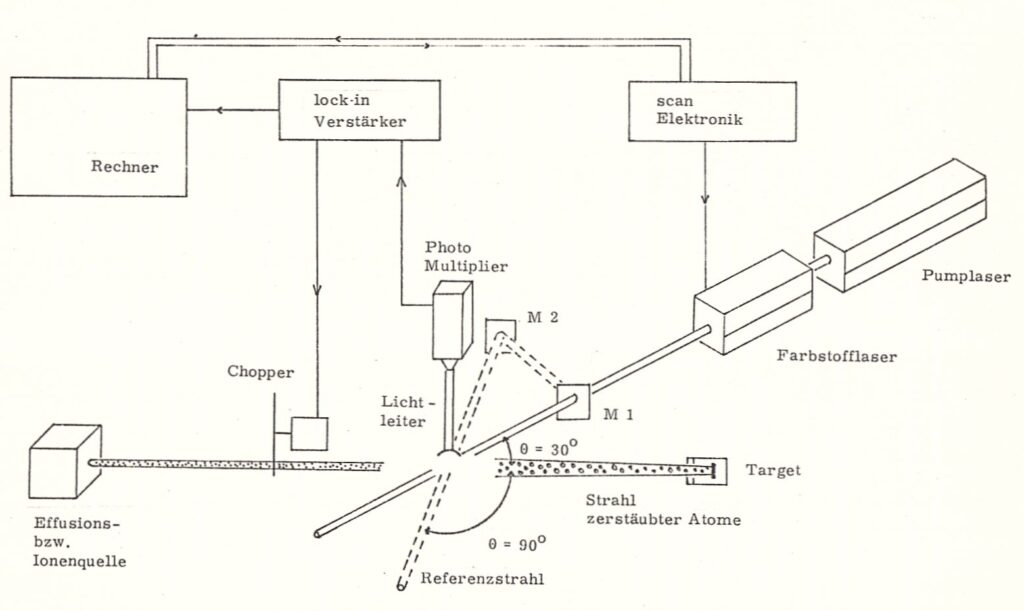
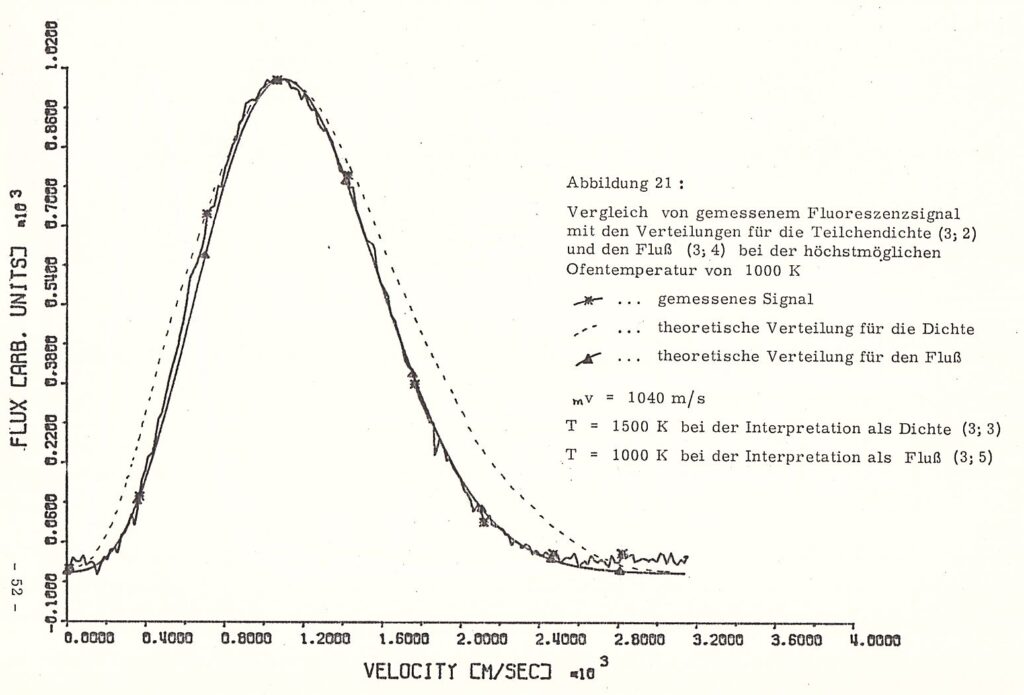
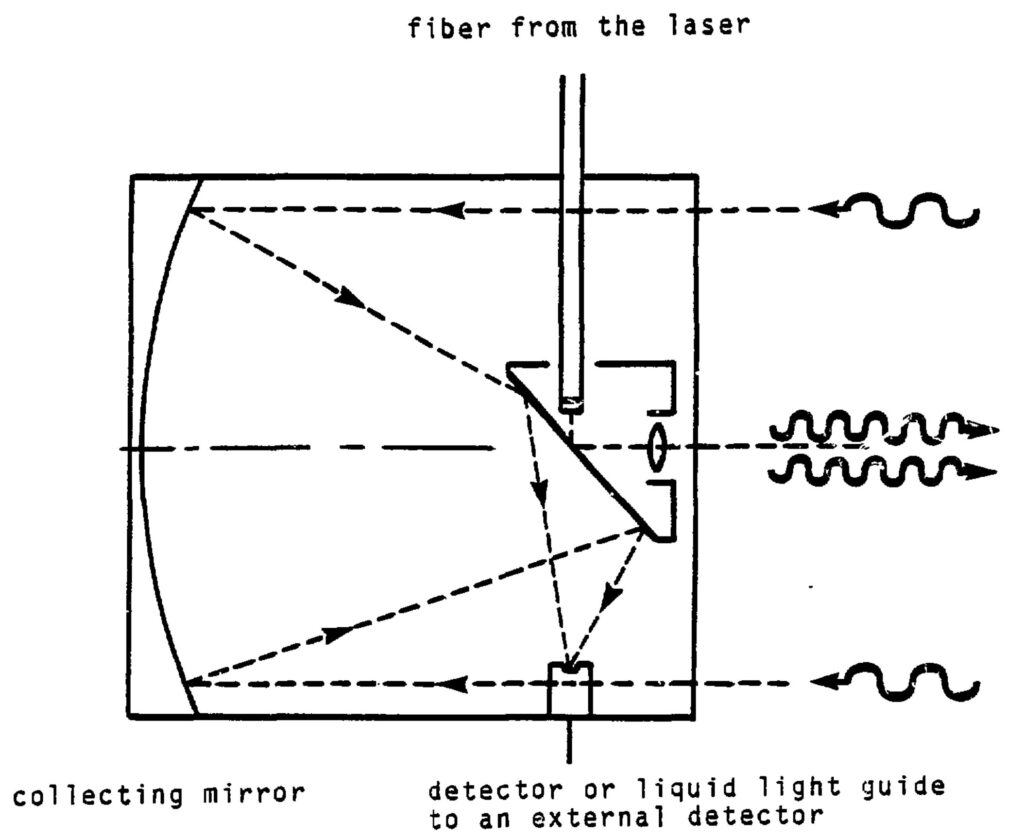
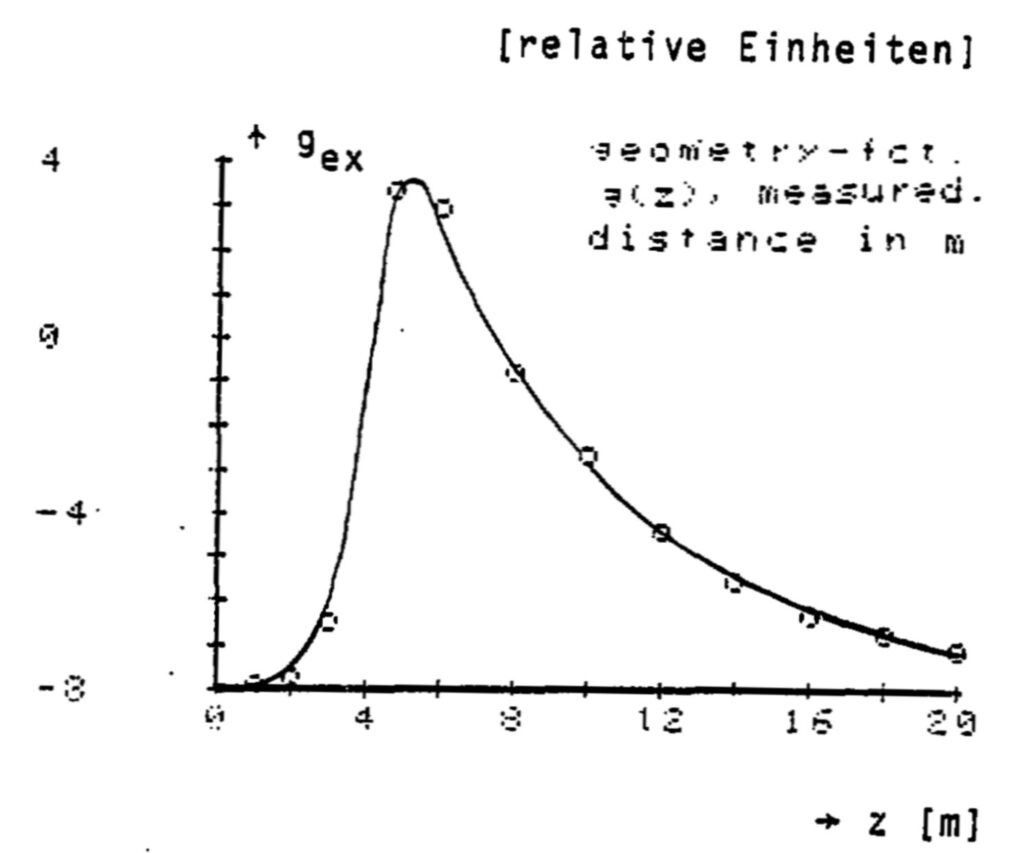
- Doctoral Thesis, the flourescence signal measured with a set-up as depicted is proportional to the flux of the neutral sputtered atoms and not to their density, which was a controversially discussed scientific question at that time
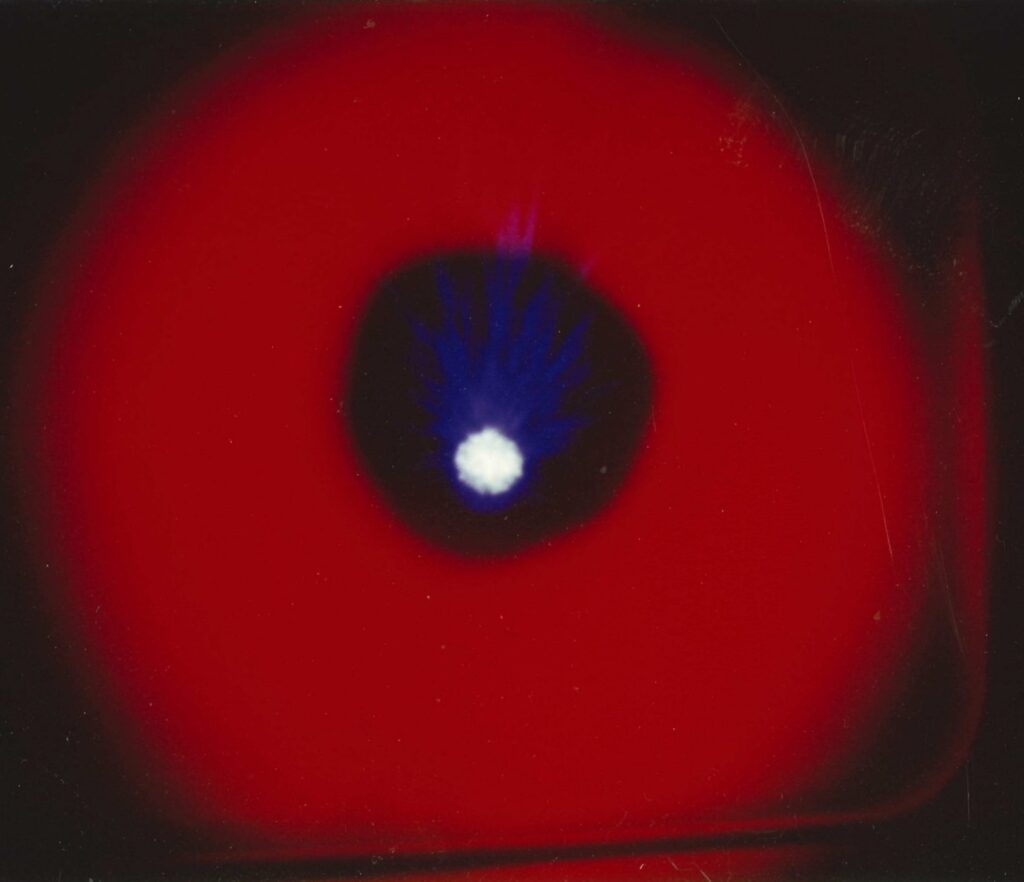
- LASSY, the Laser Surveillance System, was developed for the IAEA to seal nuclear fuel assemblies in their storage ponds with a lid of light. The scanning emitter/detector prototype „eye“ could see for more than 20 meters through water, i.e., reliably and tamper-proof detect tiny changes from that distance
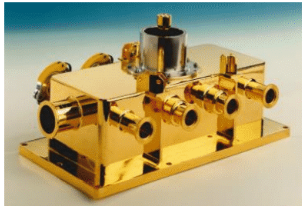
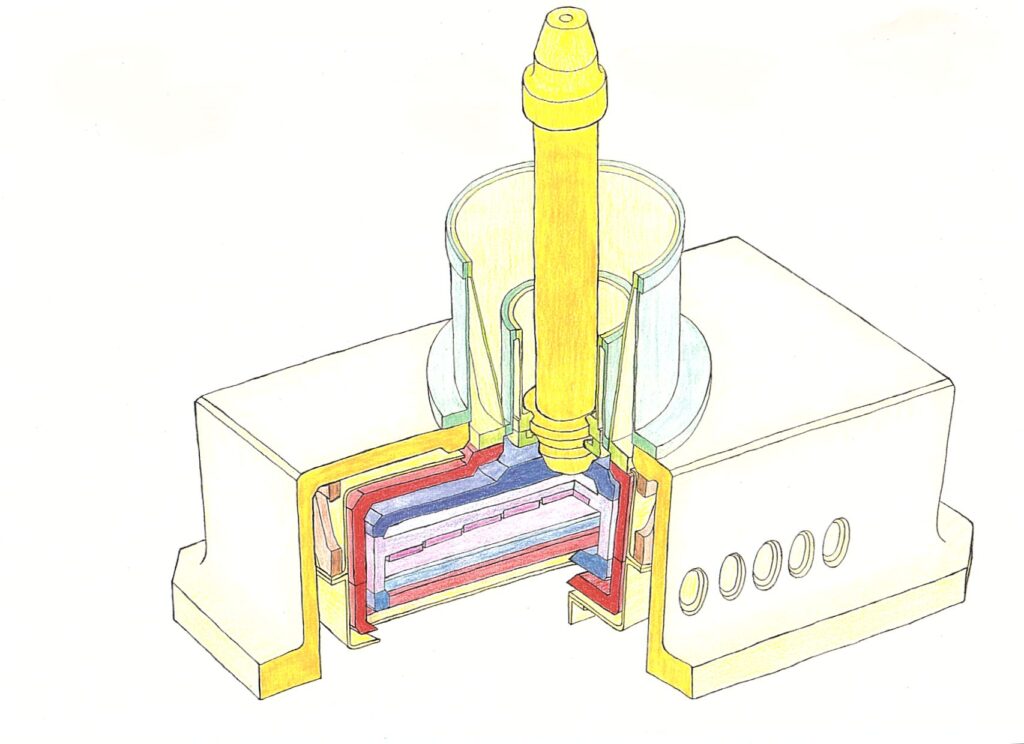
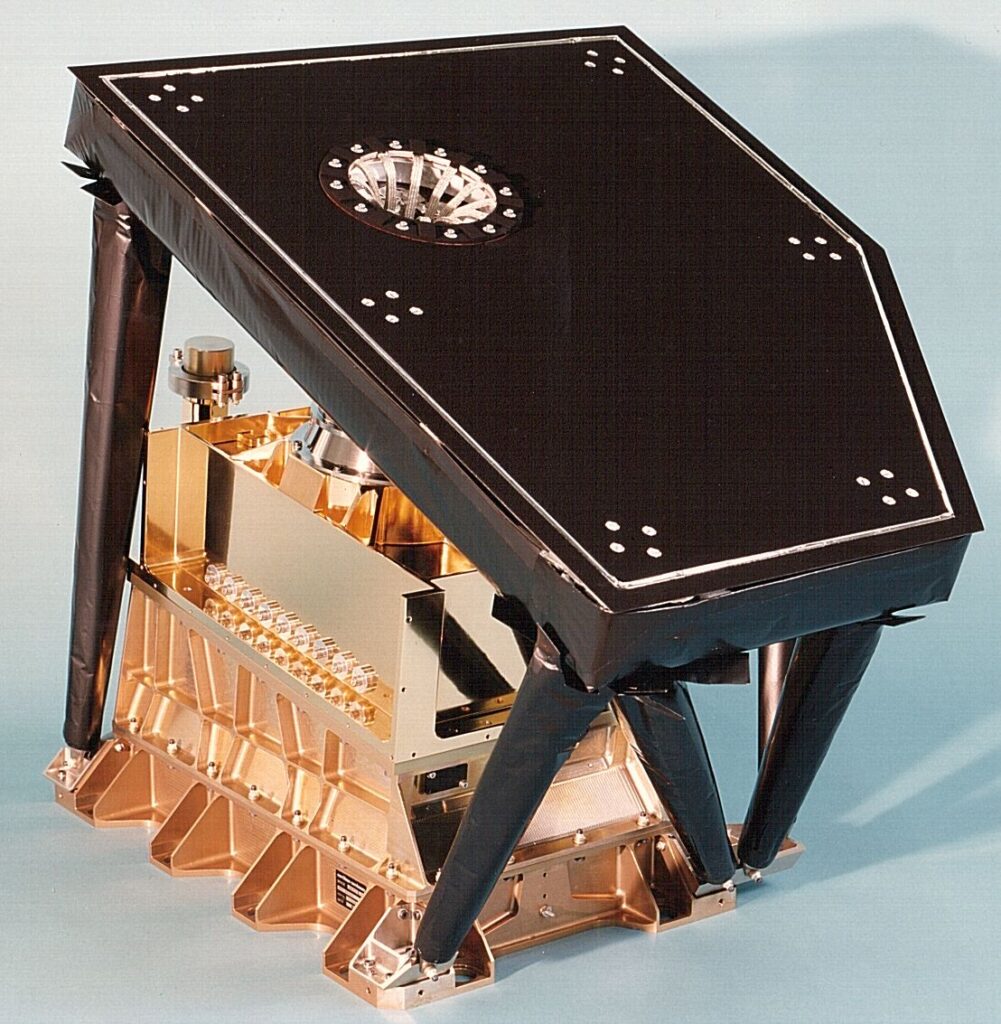
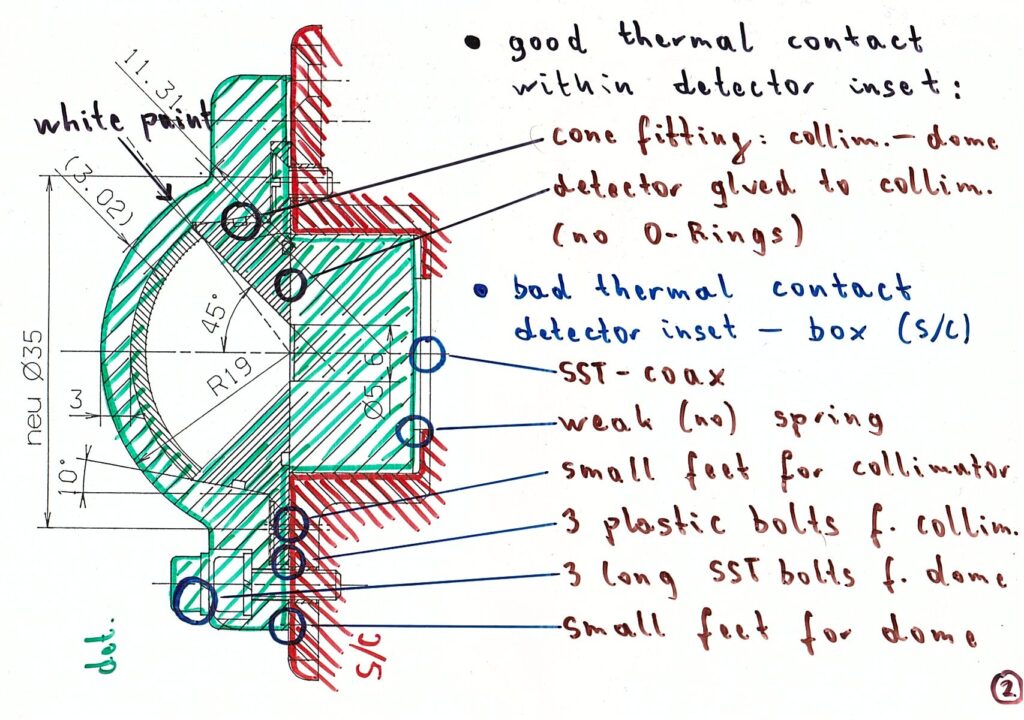
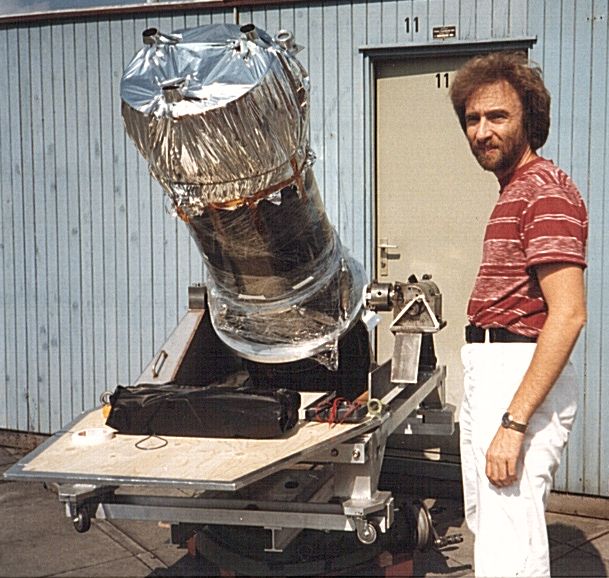
- XMM-Newton, extensive tests have been performed on the bread board model (BBM) ofthe detector housing of the Reflection Grating Spectrometer (RGS); see icon. Only with anewly conceived compound radiator and using TiAlVa for the central supporting labyrinth(including hidden heat-switches), it was possible to prove the experts wrong and accomodate the evolving temperature demands of the CCD-detectors (- 50 to -60 °C initially —> – 150 to +150 °C in the end) with passive radiator-cooling, while staying inside the all the time unchanged allocated mass and volume envelopes
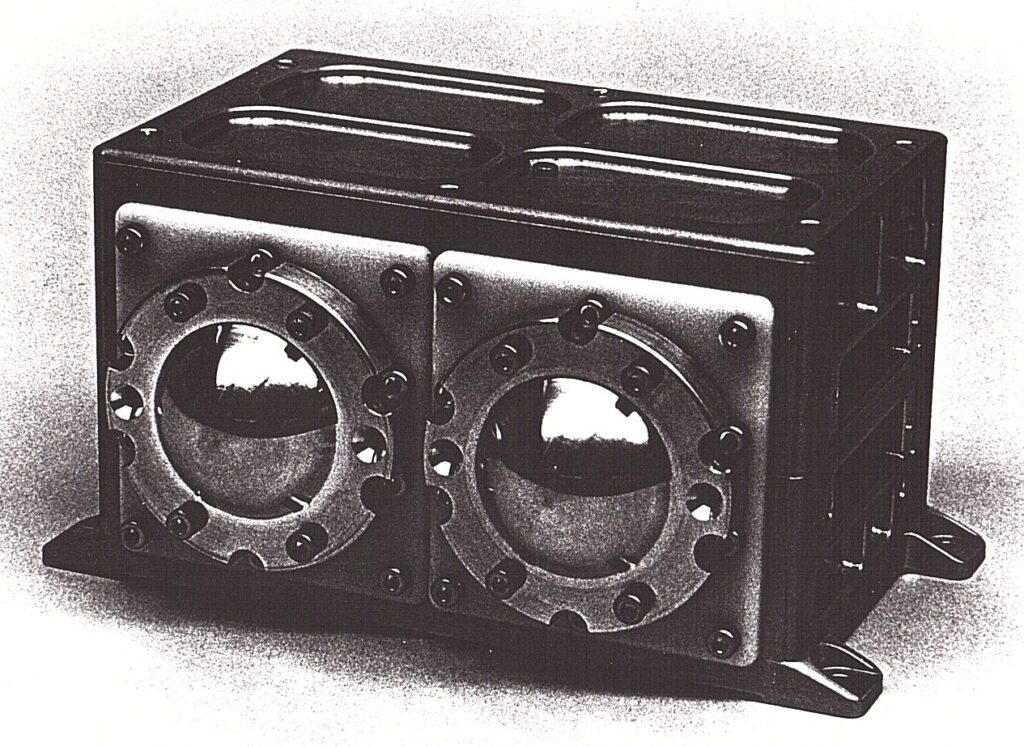
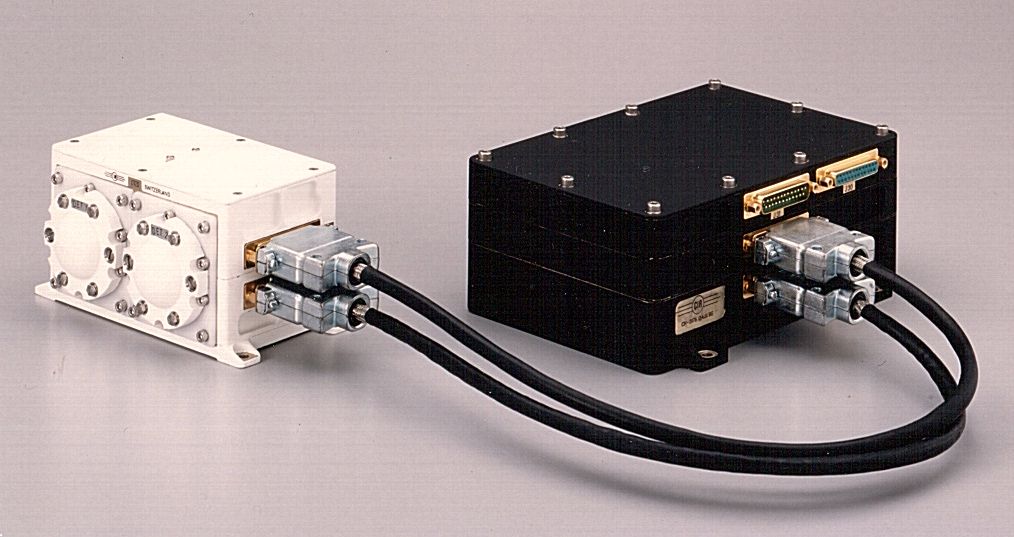
- Radiation Environment Monitors (REMs) have been built by PSI for a number of space missions, e.g., for the installation on the MIR space station and on ESA‘s INTEGRAL satellite. For these, I was only concerned with the thermal design
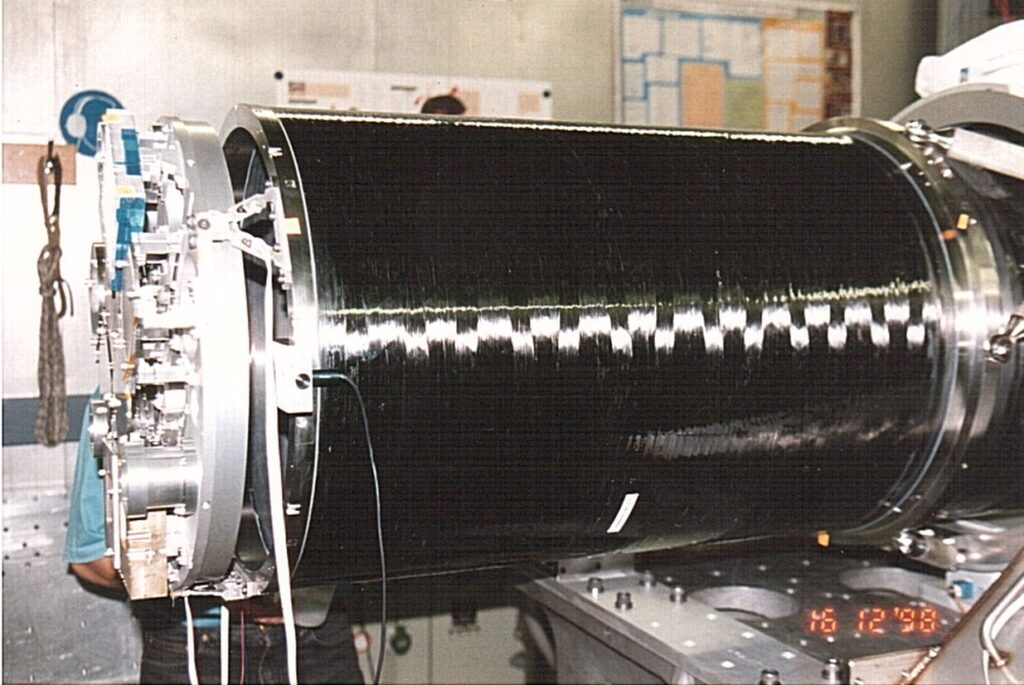
- Reuven Ramaty High Energy Solar Spectroscopic Imager, RHESSI, for which I designed the grid-carrying trays as well as the imaging tube. The latter was much lighter, incomparably more exact, stable and sturdy than what had been recommended by the NASA engineers. I happily took advantage of the clever work by engineers who had optimized high performance drums for the paper industry. During a mishap on afaulty vibration table the satellite support structure broke to pieces while the imagerwas not even disturbed in its alignment
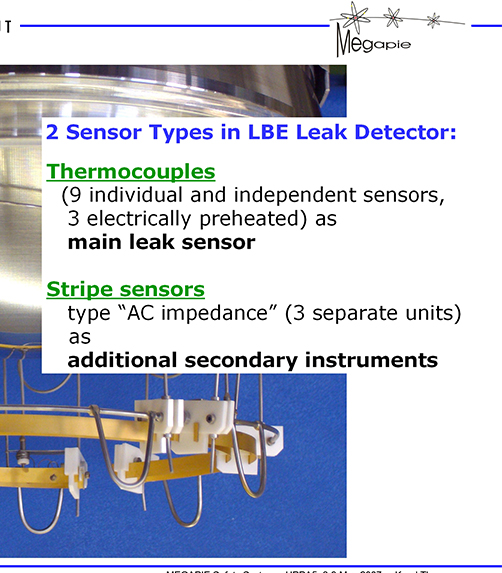
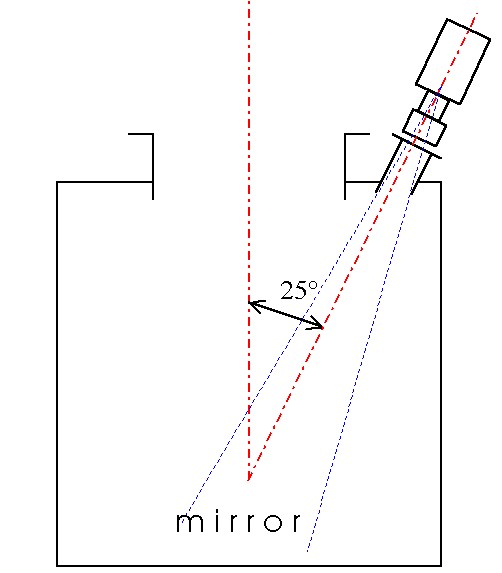
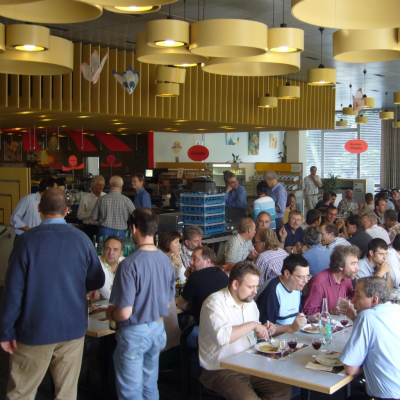
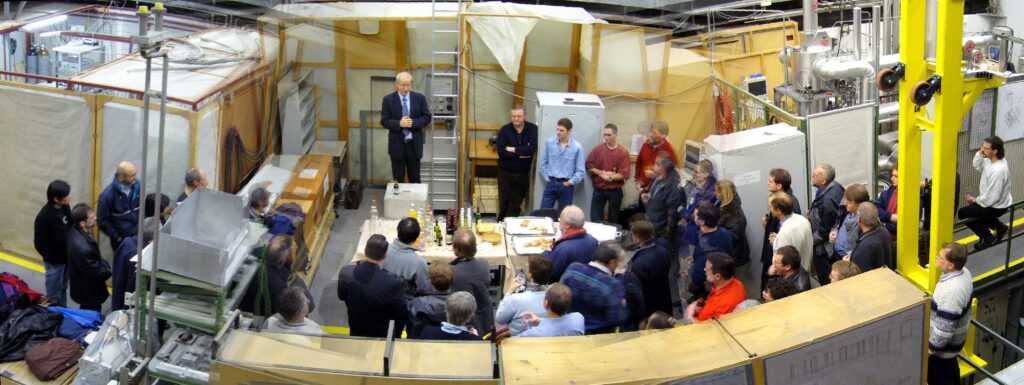
- MEGAPIE was an international collaboration with nine partners to design, build, license,operate, and dispose of the first liquid metal neutron spallation target in the world in theMW class, installed at the spallation source SINQ at PSI. Besides my administrative tasks, Idevised a completely new safety system for SINQ (VIMOS, featuring „a most stupid opticaldesign“) as well as several smaller stuff like leak detectors (which turned out to be moresensitive than dreamt of). People are decisive; we had a tiny celebration with part of thePSI crew after successful preliminary testing of the complete system, and with everybodyinvolved at PSI, – then more relaxed a little later at the first-beam-on-target BBQ party

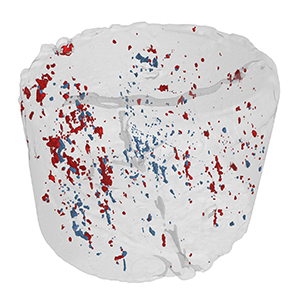
- Liquid Metal Neutron Imaging started with a frozen specimen to prove that different inclusions are indeed visible in a thick chunk of LBE (Lead Bismuth Eutectic); with images like this, we managed to change the experts´ assessment of our proposals from „waste of neutrons“ to „innovative and promising experiments“
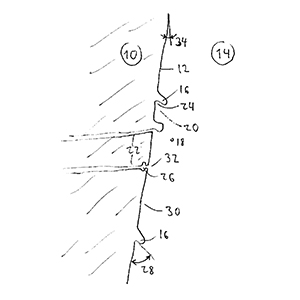
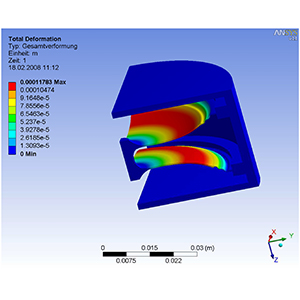
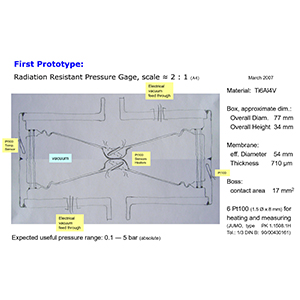
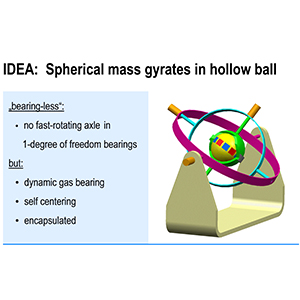
- For a „bearingless“ Gyroscope, Radiation Resistant Pressure Gage, Cavitation Protection and LGE (Lead Gold Eutectic) as spallation material, patents had been filed


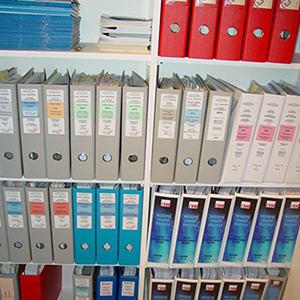
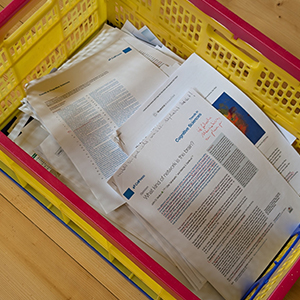
- Documentation was a permanent theme, e.g. for MEGAPIE the collection of submitted documents at just one of 7 licensing authorities; not all papers are worth keeping
People are decisive